Olympic Torch Security: France Battles Disruptions En Route to Paris
As the Olympic flame embarks on its spectacular 68-day journey across France, weaving through ancient cities, diverse landscapes, and vibrant communities, a critical undercurrent of vigilance accompanies every stride. The highly anticipated Olympic Flame's French Odyssey: Route, Heritage, and Festivities is not merely a celebration of sport and unity; it's a meticulously managed security operation designed to shield the iconic symbol from potential disruptions. With the Paris 2024 Games drawing closer, France is leaving no stone unturned, acutely aware of the challenges posed by both determined protestors and the sheer scale of the relay.
A Grand Entrance Met with Vigilance: The French Leg Begins
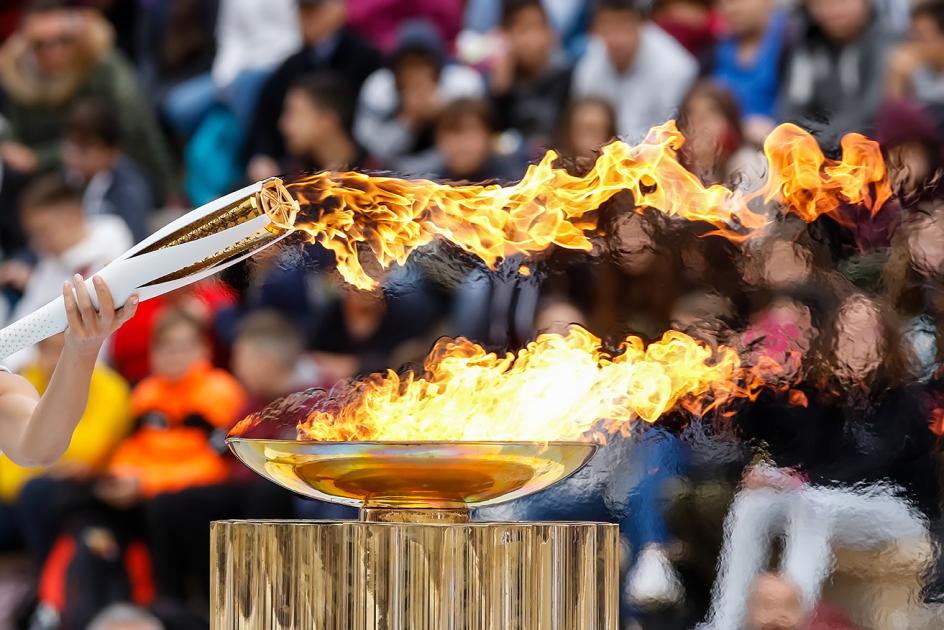
The Olympic torch's arrival on French soil was nothing short of a spectacle. On May 8th, the majestic three-mast ship, the Belem, sailed into Marseille's Old Port, carrying the flame from Greece. Tens of thousands of jubilant spectators lined the embankments, their cheers echoing as French Olympic swimmer Florent Manaudou became the first torchbearer on French soil. He then passed it to Paralympic gold medalist Nantenin Keïta, who in turn handed it to local rapper Jul, lighting a ceremonial cauldron amidst a deafening roar. President Emmanuel Macron himself was present, declaring with pride, "The flame is on French soil. The games are coming to France and are entering the lives of the French people." Marseille's Mayor, Benoît Payan, beamed, stating that over 230,000 people attended the ceremony, a clear testament to the nation's enthusiasm.
However, even amidst this joyous outpouring, the undercurrent of security was palpable. The welcoming ceremony, an electrifying blend of national pride and Olympic spirit, was tightly cordoned off. This immediate and visible security presence set the tone for the entire relay. It underscored the dual nature of this monumental event: a nationwide festivity demanding open access, yet simultaneously a high-profile target requiring impregnable protection. The challenge for the French authorities began not when the first disruption occurred, but from the very moment the flame touched French land.
The Unseen Shield: France's Multi-Layered Security Strategy
Ensuring the uninterrupted passage of the Olympic torch France requires an unprecedented level of coordination and resources. At the heart of this formidable operation is a dedicated security detail of 115 police officers, who form the immediate perimeter around the flame and its rotating torchbearers. But this is just the tip of the iceberg. Interior Minister Gérald Darmanin has revealed that this extensive network has already thwarted "two dozen actions" aimed at disrupting the flame's journey. This proactive approach highlights a sophisticated intelligence-gathering and rapid-response strategy.
Beyond the core police detail, France has deployed additional layers of protection. Elite units, including the Sentinelle army force, have been strategically stationed along particularly sensitive or high-profile sections of the route. A notable example was their presence on the iconic Millau Viaduct as the torch crossed the world's tallest bridge, drawing thousands of onlookers. This visible military presence serves not only as a deterrent but also as a reassuring symbol of national readiness. The deployment of such diverse forces – from local gendarmerie to specialized army units – reflects a comprehensive risk assessment, adapting security measures to the specific characteristics of each region and potential threats identified. The government's clear mandate is to ensure that the torch's symbolic journey remains untainted by incident, learning valuable lessons from past relays.
Navigating the Obstacles: Protests, Disruptions, and Public Engagement
Despite the robust security framework, the Olympic torch relay, by its very nature, travels through public spaces, making it a visible platform for various causes. As the olympic torch france has moved through departments like Aveyron and Herault, it has already encountered attempts at disruption. One notable incident involved police shutting down a pro-Palestinian protest group attempting to interfere with the relay. Such actions underscore the global political landscape that inevitably intersects with an event of this magnitude, providing a visible stage for activists to voice their concerns.
Historically, the Olympic torch relay has been a magnet for protestors. The French government is keenly aware of the 2008 incident, when a pro-Tibet protester disrupted the torch's passage through Paris on its way to the Beijing Olympics. This memory serves as a potent reminder of the need for heightened vigilance. Beyond geopolitical issues, environmental NGOs are also known to use such high-profile events to draw attention to their causes. Managing these situations requires a delicate balance: upholding the right to peaceful protest while simultaneously ensuring the safety and continuity of the relay. Authorities often pre-emptively identify potential hotspots and engage with activist groups where possible, aiming to mitigate disruptions without resorting to excessive force against legitimate demonstrations. The challenge lies in distinguishing between peaceful expression and direct interference with the event, a line that security forces must constantly navigate.
The Path Ahead: Ensuring a Seamless Journey to Paris
The journey of the olympic torch france is far from over. With over 400 cities and towns to visit and more than 10,000 torchbearers participating, the relay is a marathon, not a sprint, in terms of security. After its initial passage through the Cote d’Azur, Provence, Aveyron, and Herault, the flame is slated for a detour through Corsica before heading to the Pyrénées-Orientales region, and many more iconic French locations. Each new region presents its own unique logistical and security challenges, requiring continuous adaptation and vigilance from the security detail.
The ultimate goal is for the Olympic flame to arrive in Paris, bright and unblemished, in time for the opening ceremony in July. This uninterrupted passage is crucial not just for the logistics of the Games, but for the symbolism it carries. The flame represents peace, unity, and the enduring spirit of humanity. Any significant disruption could undermine this powerful message and detract from the celebratory atmosphere of the Games. The comprehensive strategies currently in place, combining robust personnel, advanced intelligence, and flexible operational responses, aim to prevent such scenarios. By ensuring the smooth progress of the Olympic torch, France is not only preparing for a spectacular sporting event but also reaffirming its commitment to hosting a secure and inspiring global gathering.
The Olympic torch relay through France is a compelling narrative of national pride, popular celebration, and a monumental security undertaking. From the festive welcome in Marseille to the strategic deployment of military forces on key landmarks, every aspect of the journey is meticulously planned to uphold the integrity of the Olympic symbol. While the battle against disruptions is ongoing, France's proactive measures and multi-layered security strategy aim to ensure that the flame reaches Paris untarnished, ready to ignite the spirit of the 2024 Olympic Games.